

Moving Tips
Practical advice to make packing, planning and moving day easier.
Plan, pack, move
Ten tips for a smoother move
A good move starts weeks before the truck arrives. ShresMove handles the moving, so your belongings should be packed and ready on the day. Use these tips in order, or jump to the one you need.
Tip 01
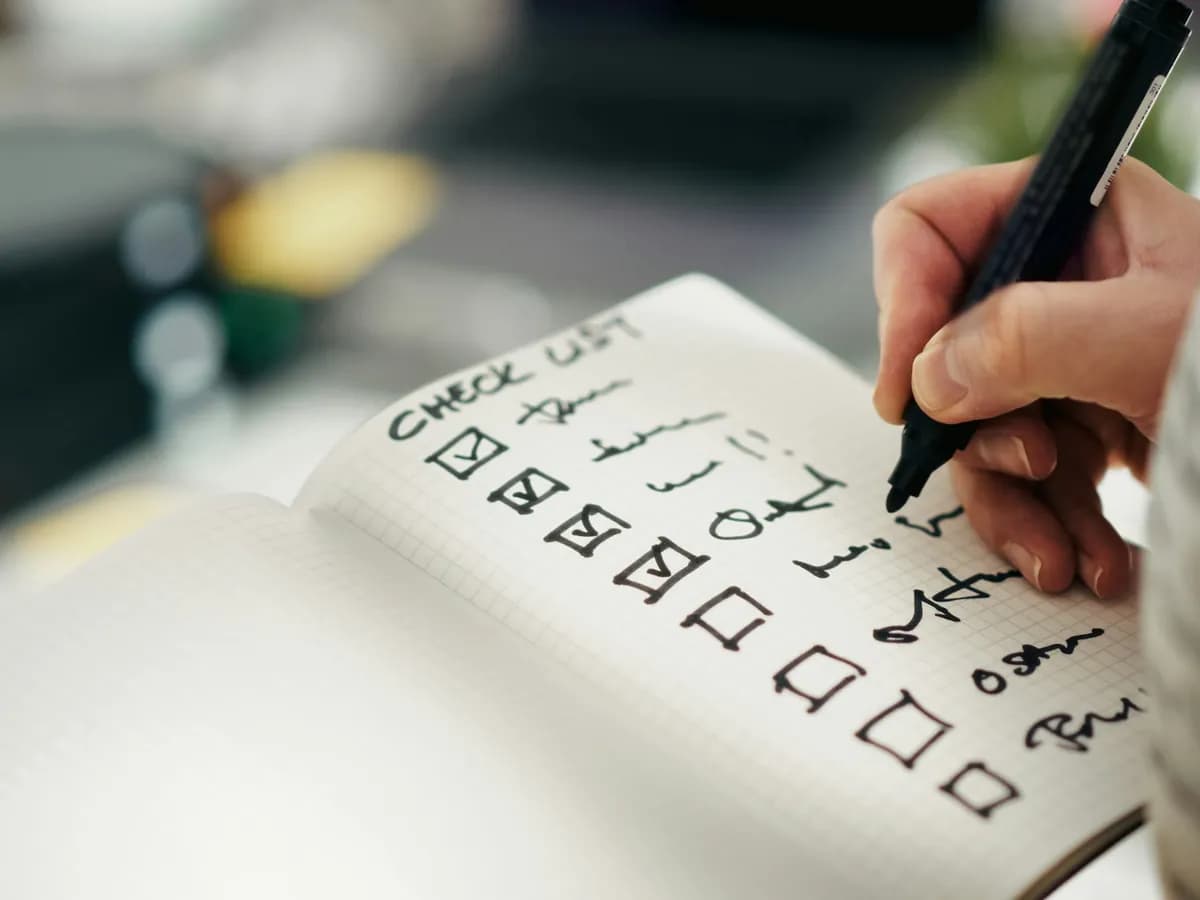
Make a moving timeline
Moves feel stressful when everything happens in the last week. Spread the work out and give yourself a plan you can tick off.
- Six to eight weeks out: choose your moving date and request a quote, especially for long-distance moves.
- Four weeks out: start packing rooms and items you use least, such as storage, guest rooms and seasonal clothes.
- Two weeks out: book elevators or parking permits and arrange time off work if you need it.
- One week out: pack everything except daily essentials and confirm the details of your move with us.
- Keep one list, on paper or on your phone, so nothing lives only in your head.
Tip 02
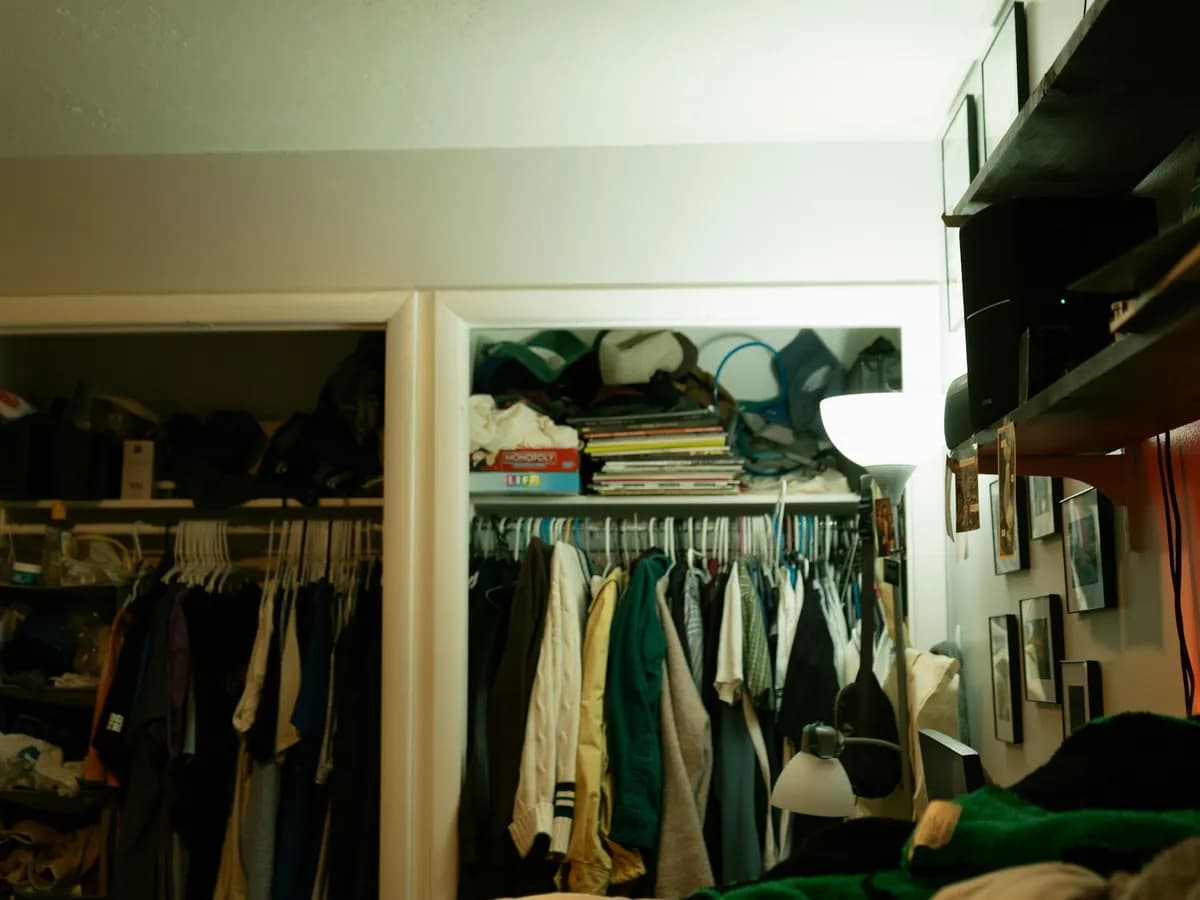
Start with what you don't need
Every item you leave behind is one less to pack, carry and unpack. Sorting before you pack saves time and can lower the cost of your move.
- Go room by room and sort into keep, donate, sell and recycle.
- Ask yourself if you used it in the last year, and if you would buy it again.
- Use up frozen food, pantry items and cleaning products in the weeks before the move.
- Book donation pick-ups early: charities often fill up at the end of the month.
- Dispose of paint, propane and chemicals safely; they can't go on a moving truck.

Tip 03
Get the right packing supplies
Good boxes and tape protect your things better than grocery boxes and string. Gather everything before you start so packing doesn't stall halfway.
- Sturdy boxes in small, medium and large sizes: small for books, large for light items like bedding.
- Strong packing tape and a tape dispenser; tape the bottom of every box twice.
- Packing paper, bubble wrap, towels and blankets for padding.
- Thick markers, labels, zip bags for screws, and stretch wrap for drawers.
- Buy a few extra boxes: almost every move needs more than expected.

Tip 04
Pack by room and label clearly
Labelled boxes go straight to the right room, which makes unloading faster and unpacking far easier.
- Pack one room at a time and keep that room's boxes together.
- Write the room and a short list of contents on the top and two sides of each box.
- Use a colour or number for each room and put a matching sign on each door in your new home.
- Keep heavy items low in small boxes and keep each box under about 20 kg (45 lb).
- Fill gaps so boxes don't crush when stacked, and mark which side is up.
Tip 05
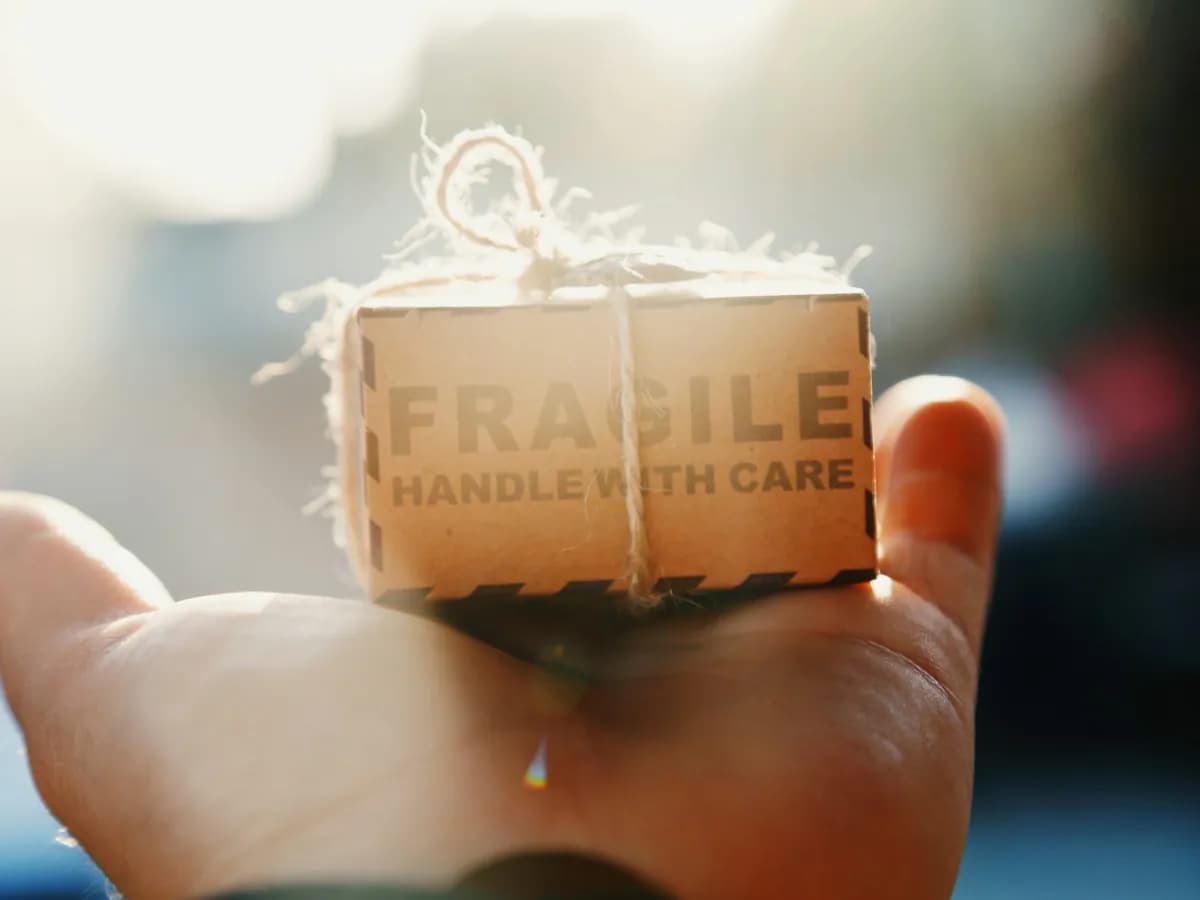
Protect fragile items
Breakables need a little more time and padding, but that care is what gets them there in one piece.
- Wrap glasses, dishes and ornaments one by one in packing paper.
- Stand plates on their edge like records; never lay them flat.
- Line the bottom and top of each box with crumpled paper or towels.
- Fill every gap: if a box rattles when you shake it gently, add more padding.
- Mark boxes "Fragile" and "This side up" on several sides, and photograph valuable items before packing.
Tip 06
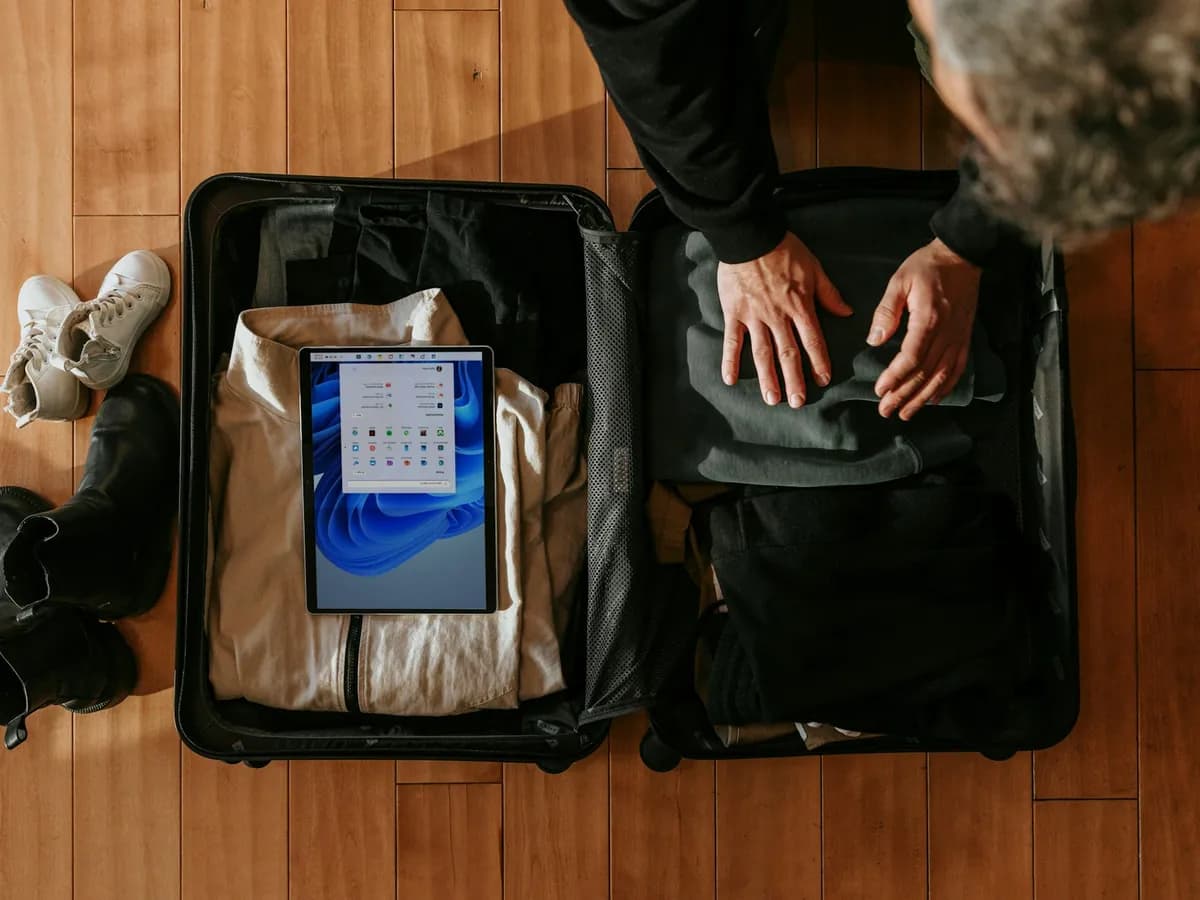
Pack an essentials bag
The first night in a new home is easier when everything you need is with you, not at the bottom of a box.
- Carry documents, IDs, passports, lease or closing papers, and medication with you.
- Keep chargers, laptops, jewellery and other valuables out of the moving truck.
- Pack a change of clothes, toiletries, towels and bedding for the first night.
- Add snacks, water, a kettle or coffee maker, toilet paper and basic tools.
- Put favourite toys and pet food, bowls and leashes in the same bag.
Tip 07
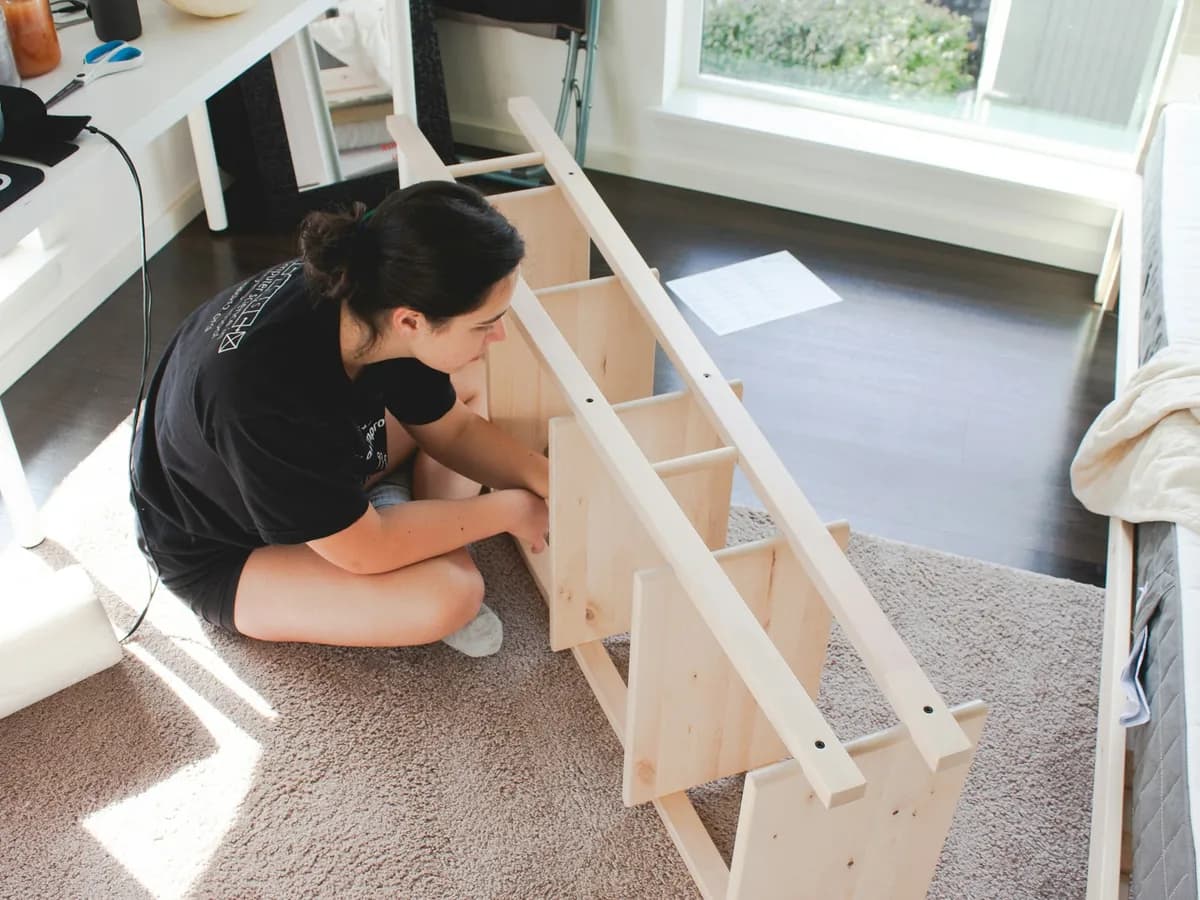
Prepare furniture and appliances
Furniture that is ready to move loads faster and is less likely to be damaged in a doorway or a stairwell.
- Empty drawers, cabinets and shelves before moving day.
- Take apart beds, tables and shelving where you can; bag and tape the screws to the piece they belong to.
- Take photos of cables and connections before you unplug electronics.
- Defrost and dry the fridge and freezer at least a day before the move.
- Measure large items and the doors, halls and stairs they need to pass through.
Tip 08
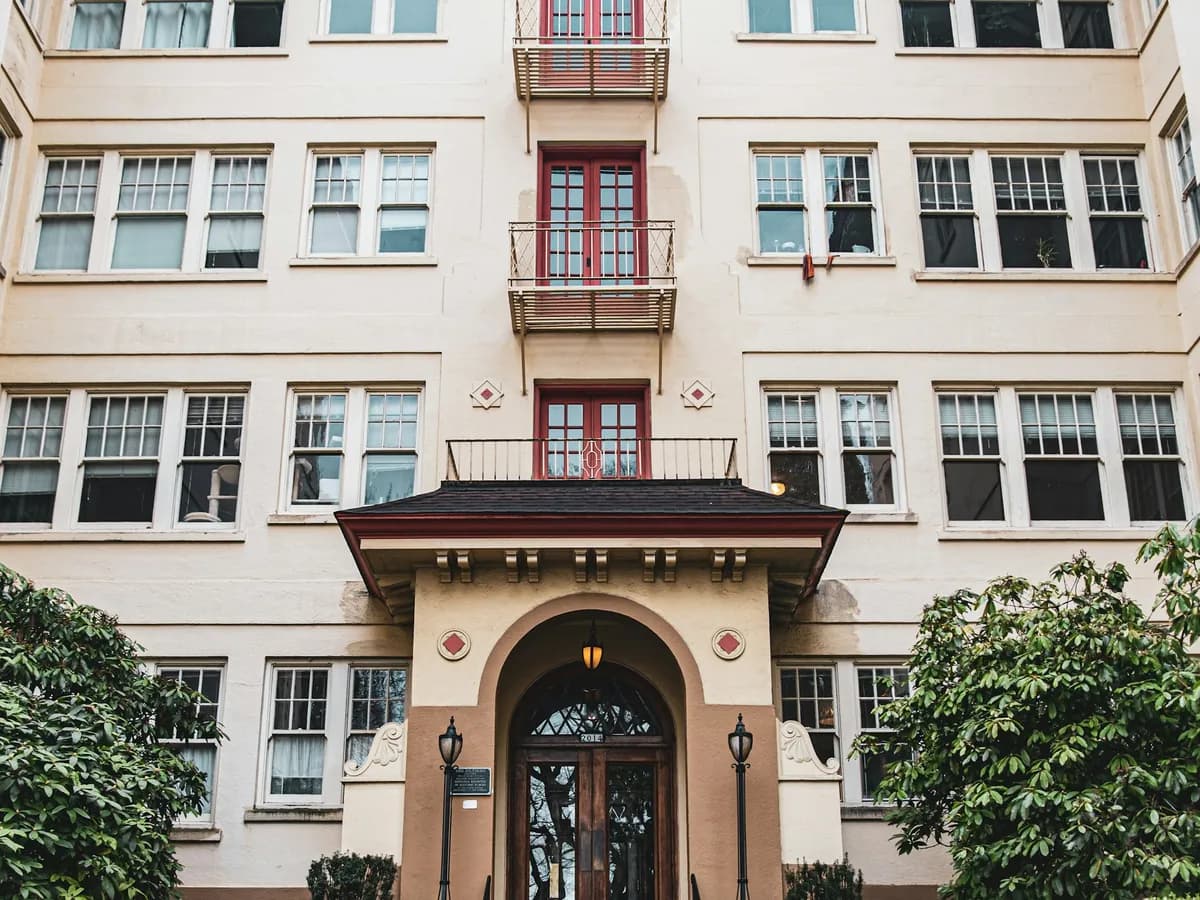
Confirm access on both ends
Parking, elevators and building rules can make or break a moving day. Check them early at both the old and the new address.
- Ask the building manager about move-in and move-out rules and allowed hours.
- Reserve the service elevator and loading dock if your building has them.
- Arrange street parking or a permit for the truck if your city requires one.
- Note stairs, narrow halls, tight turns and long walks from the truck, and tell us when you book.
- Share building access codes or a contact person for both addresses.

Tip 09
Make moving day run smoothly
With the packing done, moving day is about being available and keeping paths clear.
- Be at the home, or have someone you trust there, from arrival to the last box.
- Clear walkways, protect floors and keep doors propped open while loading.
- Keep children and pets safely away from the doors and the truck.
- Do a final walk-through of every room, closet and cupboard before leaving.
- Have your phone charged and on so we can reach you about timing and directions.
Tip 10
Settle in and update your address
A few tasks in the first days make your new place feel like home faster and stop important mail from going astray.
- Set up utilities, internet and insurance to start on or before your move-in date.
- Set up mail forwarding with Canada Post and update your address with banks, employers and the CRA.
- Update your driver's licence and health card in your new province or city if needed.
- Unpack the kitchen, bedrooms and bathroom first, then the rest room by room.
- Check boxes and furniture for damage as you unpack and keep packing materials until you are done.
Ready for a Smoother Move?